A Standard of Excellence
for
Dyslexia Therapy
When a child has dyslexia, their brain processes language differently, particularly when it comes to "breaking the code" of written words. Standard classroom instruction often relies on exposure or "balanced literacy," which assumes children will pick up reading naturally. For a student with dyslexia, this is like trying to solve a puzzle with missing pieces.
Explicit instruction is the "gold standard" because it leaves nothing to chance. Here is why it is essential for your child’s success:
Remove the Guesswork
In typical reading lessons, children are often encouraged to "guess" a word based on the picture or the context of the sentence. Explicit instruction does the opposite. It teaches the student to look directly at the letters and apply a known rule. By teaching the logic of the language, we give the child a permanent toolset rather than a temporary shortcut.
Follows a Logical Ladder (Systematic & Cumulative)
Dyslexia therapy is built like a skyscraper. We don't start on the fifth floor. We begin with the simplest sounds and don't move up until that foundation is rock-solid. Each new concept is connected to the one before it. This prevents the "Swiss cheese" effect, where a child has random gaps in their knowledge that cause them to struggle later with more complex words.
Engage Multiple Senses (Multisensory)
Because dyslexia is a neurological difference, we use multisensory techniques to create new pathways in the brain. A child might:
See the letter (Visual)
Say the sound (Auditory)
Write the letter in the air or on a textured surface (Kinesthetic/Tactile)
This "triple-threading" helps the brain anchor the information more effectively than just looking at a chalkboard.
Provide Immediate Feedback
In a therapy setting, the instruction is diagnostic. This means the therapist is constantly watching the student’s response. If a child makes a mistake, it is corrected immediately and gently. This prevents the child from practicing a mistake and "wiring" it into their memory, which is much harder to fix later.
Build Real Confidence
The "magic" of explicit instruction is that it replaces anxiety with competence. When a child understands why a word is spelled a certain way, the fear of the unknown disappears. They stop feeling "behind" and start feeling like they have the "secret code" to reading.
The Bottom Line: For a student with dyslexia, reading is not an intuitive skill—it is a technical one. Explicit, systematic instruction treats reading like a science, giving your child the mastery they need to become a fluent, lifelong reader.
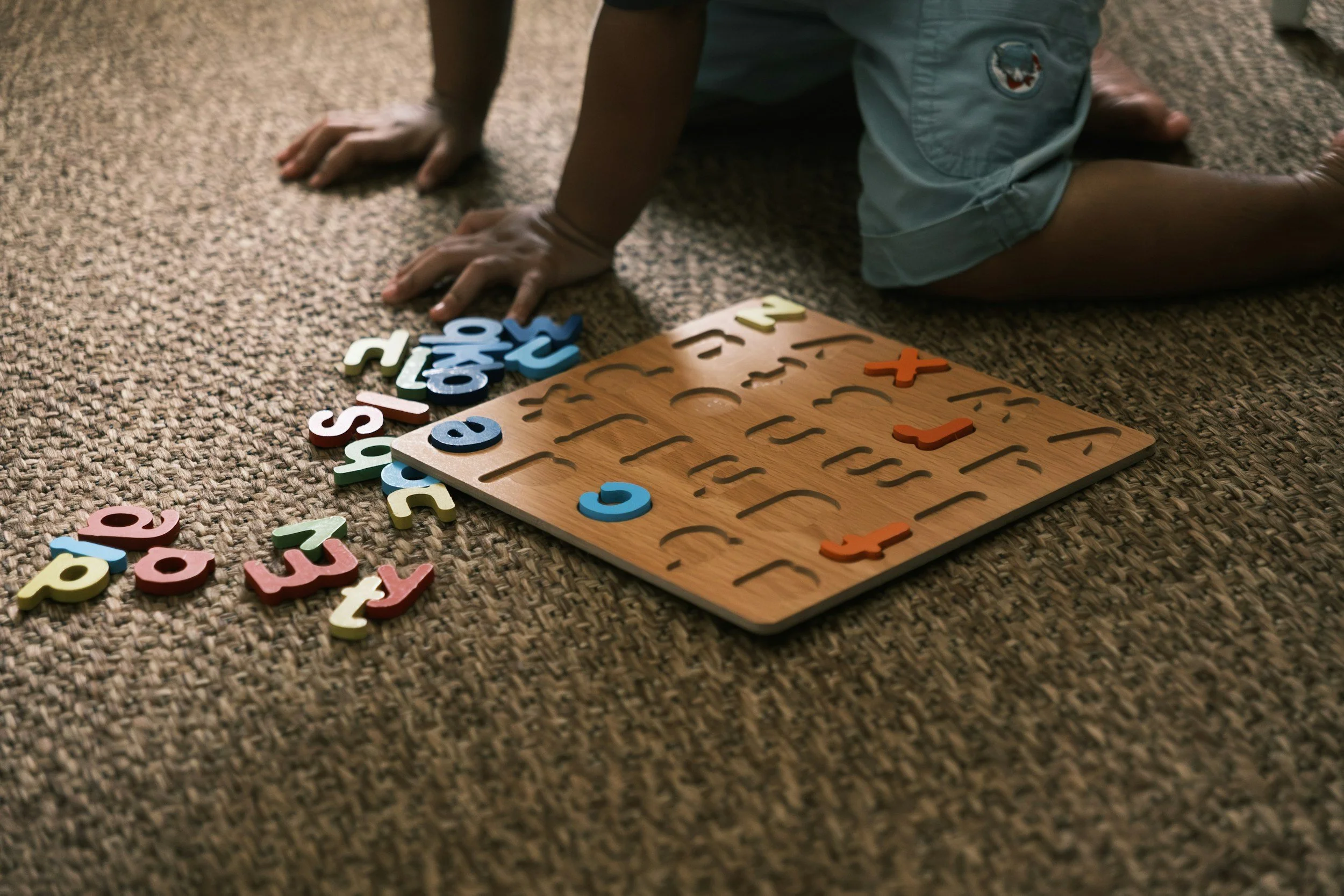
We’re experts at providing therapy for children with dyslexia.
Click here to contact us for a Free 30 minute consultation